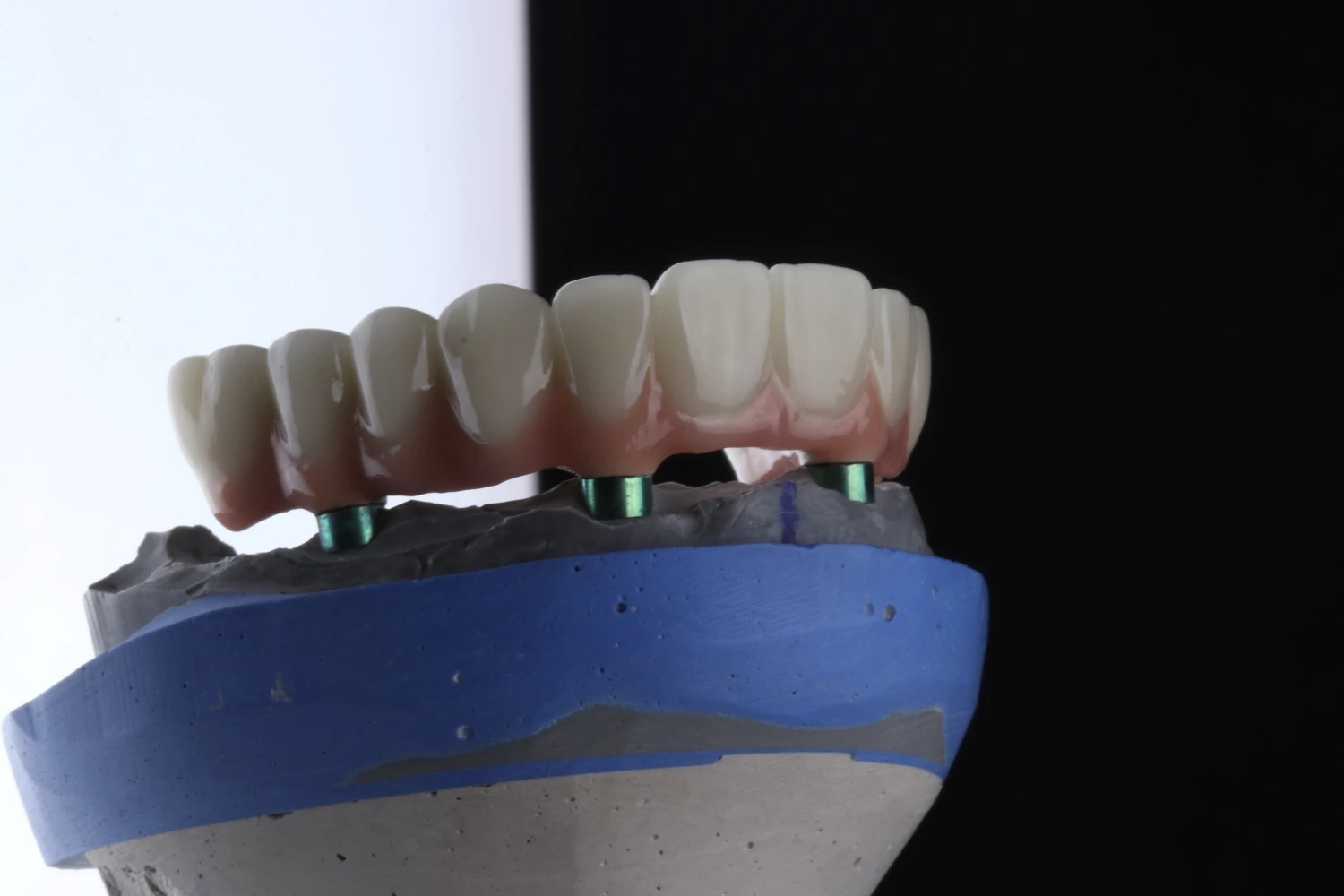
Losing a tooth changes more than just your smile. It can shift how you chew, affect the way you speak, and even alter the shape of your face over time. If you have been navigating the challenges of dentures that slip or bridges that need frequent repairs, you aren’t alone. Many adults between the ages of 40 and 70 seek a more permanent, reliable solution to restore their comfort and quality of life.
Dental implants are widely considered the gold standard for tooth replacement, but the process can seem complex at first glance. You likely have questions about safety, the timeline, and whether they are the right choice for your specific health needs. This guide is here to walk you through everything you need to know about dental implants, empowering you to make the best decision for your dental health.
What Exactly Is a Dental Implant?
When we talk about replacement teeth, we often focus on the white part that shows when you smile (the crown). However, a natural tooth has two main parts: the crown and the root. While dentures and bridges replace the visible crown, a dental implant is unique because it replaces the root.
A dental implant is a medical device, typically a small screw-like post made of titanium, that is surgically placed into your jawbone. Because titanium is biocompatible, your body accepts it, allowing the bone to fuse to the metal. This creates a sturdy, permanent anchor for your new artificial tooth.
The Three Parts of an Implant
To understand how it works, it helps to visualize the three distinct components that make up the system:
- The Implant Body: This is the titanium post that sits in the jawbone, acting as the new root.
- The Abutment: This is a connector piece. It is attached to the top of the implant body and serves as the base for your new tooth.
- The Crown: This is the custom-made artificial tooth that attaches to the abutment. It is designed to match the color and shape of your natural teeth so that it blends in seamlessly.
Who Is a Good Candidate for Implants?
One of the most common questions patients ask is, “Am I too old for implants?” The good news is that generally, your health matters more than your age. If you are healthy enough to undergo a routine dental extraction, you are likely healthy enough for an implant.
However, success depends on a few key factors:
- Bone Density: You need enough healthy jawbone to support the implant. If you have experienced bone loss, don’t worry—procedures like bone grafting can often help rebuild the area to prepare it for an implant.
- Gum Health: Healthy gums are essential to support the new structure.
- Overall Health: Certain conditions, such as uncontrolled diabetes or heart disease, may affect healing. Additionally, tobacco use can significantly slow down the healing process and increase the risk of implant failure.
Your dentist will review your medical history thoroughly to ensure this is a safe and effective path for you.
The Process: What to Expect
Restoring your smile with implants is a journey, not a single visit. The process typically takes several months, primarily because your body needs time to heal and strengthen around the implant. Here is a general breakdown of the timeline.
Phase 1: Consultation and Planning
Your journey starts with a comprehensive exam. Your dental team will use X-rays and 3D images to visualize your bone structure and determine exactly where the implant should be placed. This is the time to ask questions and discuss sedation options to ensure your comfort during the procedure.
Phase 2: Placement and Healing
During the surgical procedure, the dentist places the titanium implant into the jawbone. While this sounds intense, most patients report that the discomfort is similar to having a tooth pulled and can be managed with over-the-counter pain relievers.
Once the post is in place, a critical process called osseointegration begins. This is a scientific term for your jawbone growing around the implant and locking it in place. This healing period usually lasts a few months, but it is the most important step for ensuring your new tooth is stable and strong.
Phase 3: The Restoration
Once your jaw has healed and the implant is secure, you will return to have the abutment and final crown placed. This is the exciting part where your smile is fully restored. Your dentist will ensure the new tooth fits perfectly in your bite, allowing you to eat, talk, and smile without hesitation.
Why Choose Implants Over Dentures?
While dentures and bridges are effective, dental implants offer distinct advantages that contribute to long-term oral health.
Prevents Bone Loss
When you lose a tooth, the jawbone in that area begins to shrink because it is no longer being stimulated by chewing pressure. Because implants replace the root, they continue to stimulate the jawbone, helping to preserve your facial structure and prevent that “sunken” look often associated with tooth loss.
Unmatched Stability
Unlike dentures, which can sometimes slip or make clicking sounds when you speak or eat, implants are fixed in place. You can enjoy your favorite foods—from crisp apples to steak—without worrying about your teeth moving.
Protection for Surrounding Teeth
A traditional dental bridge requires grinding down adjacent healthy teeth to support the false tooth. Implants stand on their own, leaving your remaining natural teeth untouched and intact.
Risks and Maintenance
Like any surgery, dental implant placement comes with some risks, though problems are rare. Potential issues can include infection at the implant site or injury to surrounding structures. However, dental implants have a very high success rate, especially when placed by experienced professionals.
Caring for Your Implant
The best way to ensure your implant lasts a lifetime is to treat it just like a natural tooth.
- Brush and floss daily: Keeping the gums around the implant clean is vital to preventing infection.
- Regular checkups: Visit your dentist for routine cleanings and exams so they can monitor the health of your implant and the surrounding bone.
- Avoid hard habits: Just like natural teeth, artificial crowns can crack if you chew on ice or hard candy.
Investing in Your Quality of Life
Deciding to get dental implants is a significant decision, but it is also an investment in your health and confidence. By providing a permanent solution that looks, feels, and functions like natural teeth, implants allow you to stop worrying about your dental work and start enjoying your life again.
If you think dental implants might be the right solution for you, we encourage you to schedule a consultation. Together, we can create a personalized plan to restore your smile and your peace of mind.