Making the decision to restore your smile with dental implants is a significant step toward reclaiming your confidence and oral health. Whether you have lost a tooth due to injury, decay, or age, implants offer a permanent solution that feels and functions just like your natural teeth.
However, because the process involves oral surgery, it naturally comes with a recovery period. If you are considering this procedure, you might be wondering: How much time will I need off work? When can I eat my favorite foods again? How long until the process is fully complete?
While every patient heals at their own pace, having a roadmap can make the journey much smoother. This guide will walk you through the dental implant recovery timeline, from the first 24 hours to the final placement of your new tooth, so you can feel empowered and prepared every step of the way.
Phase 1: The First 24 Hours
The first day following your surgery is the most critical for kickstarting the healing process. Your primary goal during this window is to allow your body to form a blood clot at the surgical site. This clot acts as a protective “band-aid” over the bone and nerve endings.
To ensure this happens smoothly, your oral surgeon will likely recommend the following:
- Bite on gauze: You may be asked to bite down gently on a gauze pad for 30 to 60 minutes immediately after the procedure. If bleeding persists, replace the gauze as instructed.
- Avoid rinsing or spitting: It is tempting to rinse your mouth, but the suction created by spitting or using a straw can dislodge the blood clot. This can lead to a painful condition known as a dry socket.
- Manage swelling immediately: Swelling is a natural response to surgery. To minimize it, apply an ice pack to the outside of your cheek near the surgical area. A common schedule is 30 minutes on, followed by 30 minutes off.
- Rest: Plan to take the rest of the day off. Avoid strenuous exercise or heavy lifting, as elevating your heart rate can cause bleeding to restart.
What to Eat
For the first day, stick to a liquid or cool, soft diet. Think smoothies (no straw!), yogurt, applesauce, or lukewarm broth. Avoid hot foods and drinks, as heat can increase swelling and bleeding.
Phase 2: The First 2-3 Days
You can generally expect swelling and minor discomfort to peak around 48 to 72 hours after surgery. This is completely normal and means your body is sending white blood cells to the area to start the repair work.
To manage comfort during this time:
- Pain Management: Most patients find that over-the-counter pain relievers, such as ibuprofen combined with acetaminophen, are sufficient to manage discomfort. If your dentist has prescribed medication, use it exactly as directed.
- Keep Your Head Elevated: When resting or sleeping, prop your head up with two pillows. This simple gravity trick helps reduce facial swelling.
- Oral Hygiene: About 24 hours after surgery, you can usually begin gentle warm salt water rinses. Mix a teaspoon of salt into a cup of warm water and gently swish—don’t spit forcefully; just let the water fall out of your mouth over the sink. This helps keep the area clean and soothes gum tissue.
Phase 3: Days 4-7
By the end of the first week, you should notice a significant turning point. The swelling should start to subside, and any bruising on your jaw or neck will begin to fade.
Most patients feel well enough to return to work and their normal daily routines within a few days of surgery. However, you should still avoid heavy physical exertion for at least a week.
At this stage, you may still have stitches in your mouth. Many surgeons use dissolvable stitches that disappear on their own, but if yours are non-dissolvable, you will likely have a quick follow-up appointment to have them removed.
Phase 4: Weeks 2-6 (Soft Tissue Healing)
During this phase, the gum tissue over the implant site heals and toughens up. While your mouth may feel “back to normal,” there is still important work happening beneath the surface.
You can typically graduate to a slightly more varied diet, but you should continue to avoid hard, crunchy, or very chewy foods (like popcorn, nuts, or sticky candy) near the implant site. Chewing on the opposite side of your mouth is a good habit to maintain during this phase.
Important Note on Smoking: If you use tobacco products, it is vital to pause during this healing period. Nicotine constricts blood vessels and significantly slows down healing, increasing the risk of implant failure.
Phase 5: Months 3-6 (Osseointegration)
This is the longest phase of the timeline, but it is also the most magical. While your gums have healed, your jawbone is busy bonding with the titanium post. This process is called osseointegration.
According to the Cleveland Clinic, this process can take anywhere from three to nine months depending on your body’s healing speed and the quality of your bone.
Why does it take so long? The implant needs to become a permanent part of your jaw to provide a stable foundation for your new tooth (crown). During these months, you won’t feel pain, and you will live your life as normal. You simply have to be patient while your body builds that strong foundation.
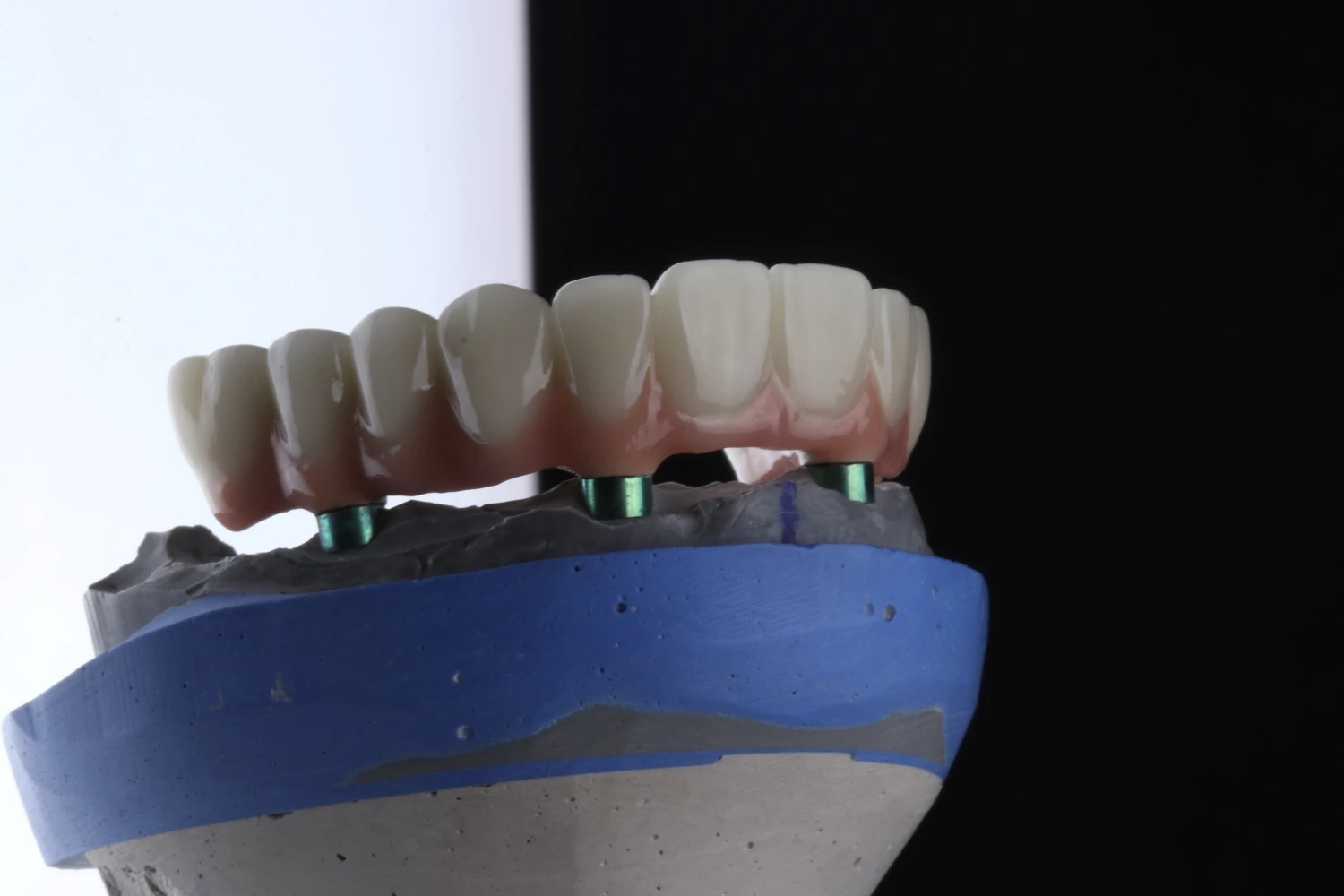
Once your dentist confirms that the bone has fully fused to the implant, you will be ready for the final step: attaching the abutment and the customized crown that will complete your smile.
Foods to Eat and Avoid During Recovery
Nutrition plays a huge role in how fast you heal. Your body needs fuel to repair tissue and bone.
Foods to Enjoy:
- Mashed potatoes and sweet potatoes
- Scrambled eggs
- Oatmeal
- Cottage cheese and soft cheeses
- Flaky fish
- Avocado
- Protein shakes
Foods to Avoid (Until fully healed):
- Crunchy foods: Chips, nuts, and pretzels can poke the surgical site.
- Sticky foods: Caramel and gummies can pull at the implant.
- Spicy foods: These can irritate the healing incision.
- Alcohol: Avoid alcohol for at least the first two weeks, especially if you are taking pain medication or antibiotics.
When to Call Your Dentist
While complications are rare, it is important to listen to your body. You should contact your dental team if you experience:
- Bleeding that does not stop after biting on gauze.
- A fever of 101°F (38.3°C) or higher.
- Severe pain that is not relieved by medication.
- Swelling that gets worse after three days.
- A sensation that the implant is loose.
A Journey Worth Taking
We know that a recovery timeline of several months might sound daunting initially. However, it helps to remember that most of that time involves “silent healing” where you are living your life comfortably while your bone strengthens.
Unlike dentures, which may slip or require adhesive, or bridges that require altering healthy teeth, a dental implant is a standalone, lifelong investment in your health. The patience you practice during recovery pays off with a smile that allows you to eat the foods you love and laugh without hesitation.
If you have questions about whether implants are right for you or need a second opinion on your treatment plan, we are here to help guide you toward the best decision for your health.