A healthy smile is a key part of your confidence and overall well-being. However, if you are facing tooth loss, the journey to restoring that smile can feel overwhelming—especially when you start looking at the costs.
It is completely normal to feel a bit of “sticker shock” when researching dental implants. Unlike a simple filling or a routine cleaning, an implant is a sophisticated, long-term solution that involves surgery and custom prosthetics. But you don’t have to navigate these numbers alone. By understanding exactly what goes into the price, you can make an empowered decision about your health and your budget.
Here is a straightforward breakdown of what affects dental implant pricing and why this investment might be the right choice for your future.
The Average Cost of Dental Implants
Let’s start with the numbers you are likely looking for. Because every mouth is unique, there is no single “price tag” for an implant. However, knowing the general range can help you plan.
According to 2025 data from MetLife, a single tooth implant typically costs between $3,000 and $6,000. If you are looking to replace a full set of teeth (often called full-mouth restoration), the cost can rise to $60,000 or more.
These figures might seem high at first glance, but it helps to understand that this fee generally covers the entire process—from the initial surgery to the final placement of your new tooth.
Breaking Down the Bill: The Three Components
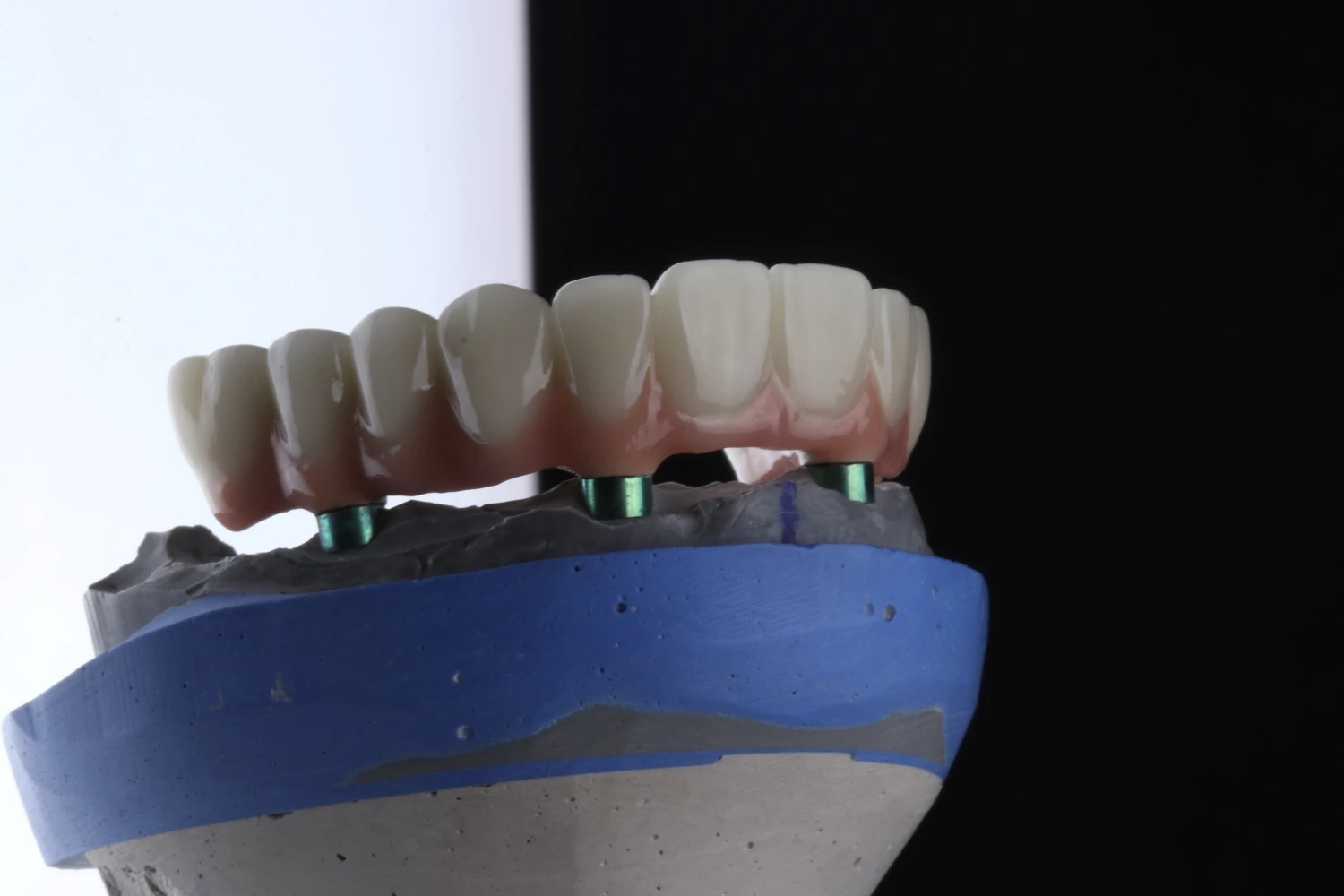
When you pay for a dental implant, you aren’t just buying a “tooth.” You are paying for a three-part medical device designed to mimic nature.
- The Implant Post: This is a small, screw-like post, usually made of titanium or zirconia. It acts as the artificial root of the tooth and is surgically placed into your jawbone.
- The Abutment: This is the connector piece. Once your jaw heals, the abutment is attached to the implant post to hold the new tooth in place.
- The Crown: This is the visible part of the tooth—the white, custom-made cap that matches your natural teeth.
In many quotes, the price is broken down by these components. For example, the implant post itself might cost between $1,000 and $3,000, while the crown could add another $800 to $3,000. It is always a good idea to ask your dentist if their quote includes all three parts so you aren’t surprised by additional fees later.
5 Factors That Influence the Final Price
Why does one person pay $3,000 while another pays $5,000? Several variables can shift the final cost of your treatment.
1. Pre-Surgery Procedures
For an implant to be successful, it needs a strong foundation. If you have had a missing tooth for a long time, your jawbone may have receded. In this case, you might need a bone graft to build the bone back up before the implant can be placed.
Similarly, if you are replacing upper back teeth, you might need a sinus lift to ensure the implant doesn’t protrude into your sinus cavity. These foundational procedures are vital for your health, but they do add to the total cost.
2. The Number of Teeth Being Replaced
Logic suggests that more teeth equal a higher cost, but the math isn’t always linear. If you are missing several teeth in a row, you might not need an implant for every single missing tooth. Instead, a dentist might place two implants to support a bridge of three or four teeth. This can be a more cost-effective way to restore your smile compared to replacing every single tooth individually.
3. Materials Used
Most implants are made from titanium because it is durable and biocompatible (meaning your body accepts it). However, some patients prefer zirconia (ceramic) implants for aesthetic reasons or metal sensitivities. Zirconia implants can sometimes carry a higher price tag due to manufacturing costs.
4. Provider Expertise and Location
You are paying for the skill and experience of the person performing your surgery. A specialist, such as a periodontist or oral surgeon, may charge more than a general dentist due to their advanced training. Additionally, dental practices in major cities with higher costs of living often have higher fees than those in rural areas.
5. Diagnostics and Anesthesia
Don’t forget the “invisible” costs. Comprehensive X-rays and 3D CT scans are necessary to map out your nerves and bone structure safely. Furthermore, depending on your comfort level, you might choose sedation or general anesthesia during the surgery, which will add a separate fee to the total.
Insurance and Financing Options
One of the most common questions patients ask is, “Does insurance cover this?” The answer is: sometimes.
Historically, dental insurance companies considered implants a “cosmetic” procedure. However, as implants have become the standard of care for tooth replacement, coverage is improving. Some plans may cover a portion of the implant, or they may offer an allowance equal to the cost of a bridge or denture.
Even if your insurance doesn’t cover the full procedure, there are ways to make it manageable:
- Payment Plans: Many dental offices offer in-house payment plans or work with third-party financing companies to spread the cost over monthly installments.
- FSA/HSA: You can often use funds from a Flexible Spending Account (FSA) or Health Savings Account (HSA) to pay for dental implants with pre-tax dollars.
- Dental Discount Plans: These membership-based plans can offer reduced rates on restorative procedures.
Comparing Value: Implants vs. Bridges and Dentures
When you look at the price of a dental bridge ($1,500–$5,000) or dentures ($1,000–$3,000), they certainly look friendlier to your wallet in the short term. But it is important to look at the long-term value.
Bridges and dentures typically need to be replaced every 5 to 15 years. They can also require adjustments and don’t prevent bone loss in your jaw. Dental implants, on the other hand, are designed to last a lifetime with proper care. When you calculate the cost over 20 or 30 years, implants often emerge as the more cost-effective investment in your oral health.
Your Smile is an Investment
Choosing to get dental implants is a significant decision, both for your health and your finances. While the upfront cost is higher than other options, the return on investment—in terms of confidence, comfort, and longevity—is unmatched.
If you are considering implants, the best next step is to schedule a consultation. A dentist can provide a personalized treatment plan and a clear cost breakdown, so you can move forward with confidence. Remember, you deserve a smile that looks good, feels good, and lasts.